Why Understanding Her Culture Is the Key to Her Heart
Cultural fluency is the single most powerful advantage you can bring to a relationship with a Slavic woman. While physical attraction sparks initial interest and communication builds connection, demonstrating genuine knowledge of her traditions, holidays, and family customs tells her something no compliment ever could: you see her fully, respect her heritage, and are willing to invest in understanding her world.
Eastern European dating culture differs dramatically from American customs in ways that catch many Western men off guard. From the significance of Orthodox Christmas on January 7 to the deeply important Name Day celebrations that can matter more than birthdays, these traditions form the emotional architecture of her identity. According to a 2024 cross-cultural dating survey, 78% of Slavic women said cultural awareness was among the top three qualities they valued in a foreign partner - ranking above income and physical appearance.
At Slavic Women Dating, we've guided thousands of American men through the cultural nuances of Eastern European romance since 2014. This guide distills the essential traditions, religious customs, family dynamics, and gift-giving etiquette you need to know - whether she's Ukrainian, Russian, Polish, Bulgarian, or from any other Slavic nation. Think of it as your cultural playbook for lasting love across borders.
New Year's Eve celebrations, Orthodox Easter rituals, family hospitality expectations, and the unspoken rules of courtship - each element carries weight in how she perceives your sincerity. Men who take the time to learn these customs consistently report deeper connections, faster trust-building, and smoother integration into her family circle. Let's explore the traditions that shape Slavic romance.
Orthodox and Catholic Traditions in Slavic Dating
Religion weaves through the cultural fabric of Eastern Europe in ways that directly impact dating and relationships. Understanding whether your partner follows Orthodox Christian or Catholic traditions is essential - the distinction shapes holiday timing, family rituals, and expectations around marriage.
Orthodox Christmas - January 7
One of the most significant cultural differences you'll encounter is that Orthodox Christmas is celebrated on January 7, not December 25. Countries following this tradition include Ukraine, Russia, Belarus, Bulgaria, Moldova, Romania, and Serbia. The Julian calendar governs Orthodox religious observances, creating a two-week offset from the Western Gregorian calendar.
💡 Practical Tip
If your partner celebrates Orthodox Christmas, plan to acknowledge both December 25 and January 7. Many Slavic women appreciate celebrating "two Christmases" - it shows you honor both cultures. Send flowers or a thoughtful gift for January 7, even if you're apart.
Orthodox Christmas Eve (Sviatyi Vechir) is marked by a special 12-dish meatless supper symbolizing the twelve apostles. In Ukrainian tradition, the meal begins when the first star appears in the evening sky. Attending this family supper if invited is a profound honor - and a clear signal that her family is welcoming you into their circle.
Orthodox Easter - A Celebration of Renewal
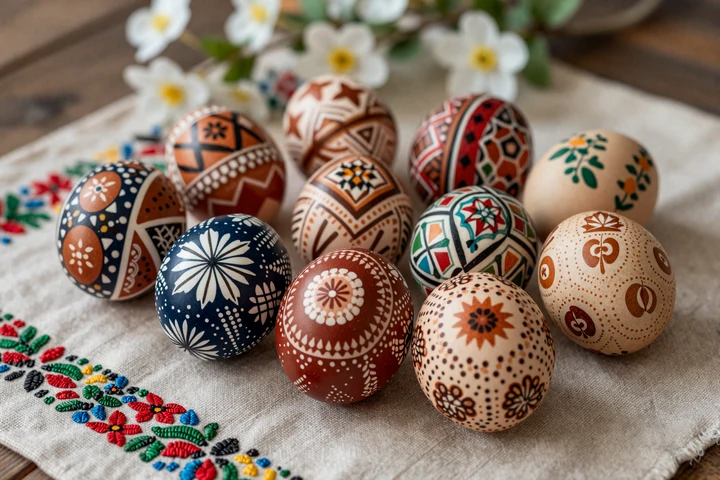
Easter holds even greater significance than Christmas in Orthodox tradition. The elaborate preparations include painting eggs (pysanky), baking Easter bread (paska or kulich), and attending midnight church services. Easter baskets are blessed by a priest in a colorful community gathering. If you're dating a woman from an Orthodox background, learning about these traditions - or even attempting to paint eggs together - creates memorable bonding experiences. Women from Bulgaria and other Orthodox nations consider Easter the most spiritually important holiday of the year.
Catholic Traditions - Poland, Czech Republic, Slovakia, Hungary
In Catholic-majority countries like Poland, the Czech Republic, Slovakia, and Hungary, Christmas falls on December 24-25 with its own rich customs. Polish Wigilia (Christmas Eve) features a 12-course meatless dinner, an empty chair left for an unexpected guest, and the sharing of oplatki (communion wafers). Understanding these Catholic customs is equally important when dating women from Central European Slavic nations.
Name Days - Often More Important Than Birthdays
Throughout Eastern Europe, Name Days (imeniny, meniny, or névnap) are celebrated as personal holidays tied to the saint's day corresponding to a person's given name. In countries like Slovakia, Hungary, Czech Republic, and Bulgaria, Name Days are publicly known - calendars, newspapers, and even TV broadcasts announce whose Name Day it is.
- Slovakia & Czech Republic: Name Days are printed on every calendar; colleagues bring cake to work
- Hungary: Névnap celebrations often involve flowers, small gifts, and family dinners
- Bulgaria: Imendni (Name Days) are widely celebrated with gatherings and toasts
- Poland: Imieniny can be as significant as birthdays, especially for older generations
New Year's Eve - The Biggest Celebration
In many Slavic countries, New Year's Eve surpasses Christmas in festivity. Russia, Ukraine, Belarus, and Moldova treat December 31 as the premier celebration - with elaborate feasts, champagne at midnight, fireworks, and gift exchanges under the "Novy God" (New Year) tree. If your relationship is progressing seriously, being invited to spend New Year's Eve with her family is a major milestone.
Family Dynamics and What They Mean for Your Relationship
Family isn't just important in Slavic culture - it's central. Understanding how family dynamics operate across Eastern Europe prepares you for one of the most rewarding (and sometimes challenging) aspects of cross-cultural dating.
Multi-Generational Households
Multi-generational living is common and accepted throughout Slavic cultures. Adult children may live with parents until marriage - and sometimes beyond. Elderly parents often live with their adult children rather than in assisted-living facilities, which are viewed as a last resort. This isn't a sign of dependence; it's considered the natural, respectful family structure.
Be prepared for the possibility that her family's living arrangements may differ significantly from American norms. If you're seriously dating a Slavic woman, discuss expectations early: her family may expect to live nearby or even together eventually. Approaching this conversation with openness rather than resistance demonstrates maturity and cultural respect.
The Family Approval Process
In Slavic dating culture, earning her family's approval is not optional - it's a prerequisite for a serious relationship. Her parents' opinion carries genuine weight in her romantic decisions, regardless of her age or independence. When you meet her parents:
- Bring appropriate gifts (see the gift-giving table below)
- Dress formally - first impressions with family are lasting
- Accept all food and drink offered - refusing hospitality is considered rude
- Show genuine interest in family stories and traditions
- Demonstrate your ability to provide stability and security
Food and Hospitality Culture
Slavic hospitality is legendary - and mandatory. When invited to her family's home, expect to eat. A lot. Refusing food is interpreted as rejection of their hospitality. Compliment the cooking enthusiastically (especially her mother's). Learn to say "delicious" in her language - "smachno" (Ukrainian), "vkusno" (Russian), "pyszne" (Polish), or "vkusno" (Bulgarian). This single word will earn you more family goodwill than hours of conversation.
Gift-Giving Customs Across Slavic Countries
Gift-giving in Slavic culture follows specific protocols that differ markedly from American customs. Breaking these unwritten rules - especially the flower etiquette - can create awkward situations or send unintended messages. Study the table below before any visit or date.
| Occasion | Appropriate Gift | Important Rules | What to Avoid |
|---|---|---|---|
| First Date | Odd number of flowers (roses, tulips, peonies) | Always odd numbers (1, 3, 5, 7, 9) | Even numbers (reserved for funerals), yellow flowers (signify separation) |
| Her Birthday | Quality perfume, jewelry, flowers + chocolates | Wrap gifts elegantly - presentation matters | Cheap or generic gifts; unwrapped items |
| Her Name Day | Flowers, small thoughtful gift, handwritten card | Acknowledge the day - she will notice if you forget | Ignoring it entirely; confusing it with birthday |
| Meeting Her Mother | Odd number of flowers (not roses), quality sweets | Roses for mother can imply romance - choose alternatives | Arriving empty-handed; overly expensive gifts |
| Meeting Her Father | Quality whiskey, cognac, or local spirits | Research his preferences if possible | Cheap alcohol; wines unless he is a known collector |
| Orthodox Christmas / Jan 7 | Meaningful gifts reflecting her interests, sweets for family | Gifts opened immediately in the giver's presence | Religious items unless you share her faith |
| New Year's Eve | Champagne, festive treats, sparklers, symbolic gift | New Year's gifts are tradition in many Slavic countries | Nothing - showing up without something feels incomplete |
| Children in Family | Chocolates, quality toys, books | Acknowledge all children equally | Ignoring her siblings' or relatives' children |
The Golden Rule of Slavic Gift-Giving: Always give an odd number of flowers. Even numbers (2, 4, 6, 8) are strictly reserved for funerals and memorials. Handing a woman 12 roses - perfectly normal in America - sends a funeral-associated message in Slavic culture. Give 11 or 13 instead. This rule applies universally across Ukraine, Russia, Poland, Bulgaria, Moldova, and all Slavic nations.